




Inside Brazil · Body
Granado and Phebo: the pharmacy classics Brazil grew up with
Ask a Brazilian what their grandmother's bathroom smelled like and you'll often hear the same two names: Granado and Phebo. Long before skincare had a routine, these two old pharmacy houses were on every shelf: a translucent glycerine bar by the sink, a dark rose soap in the shower, a box of soaps tucked in the linen drawer. Here's the story of the classics Brazil grew up with.
Granado: a pharmacy in Rio, since 1870
In 1870, a Portuguese pharmacist, José Antônio Coxito Granado, opened a pharmacy in Rio de Janeiro. He made remedies and cosmetics from plants and flowers, and his shop went on to serve the Brazilian Imperial family. Today it is often called Brazil's oldest pharmacy, and its historic shop in central Rio still welcomes customers.
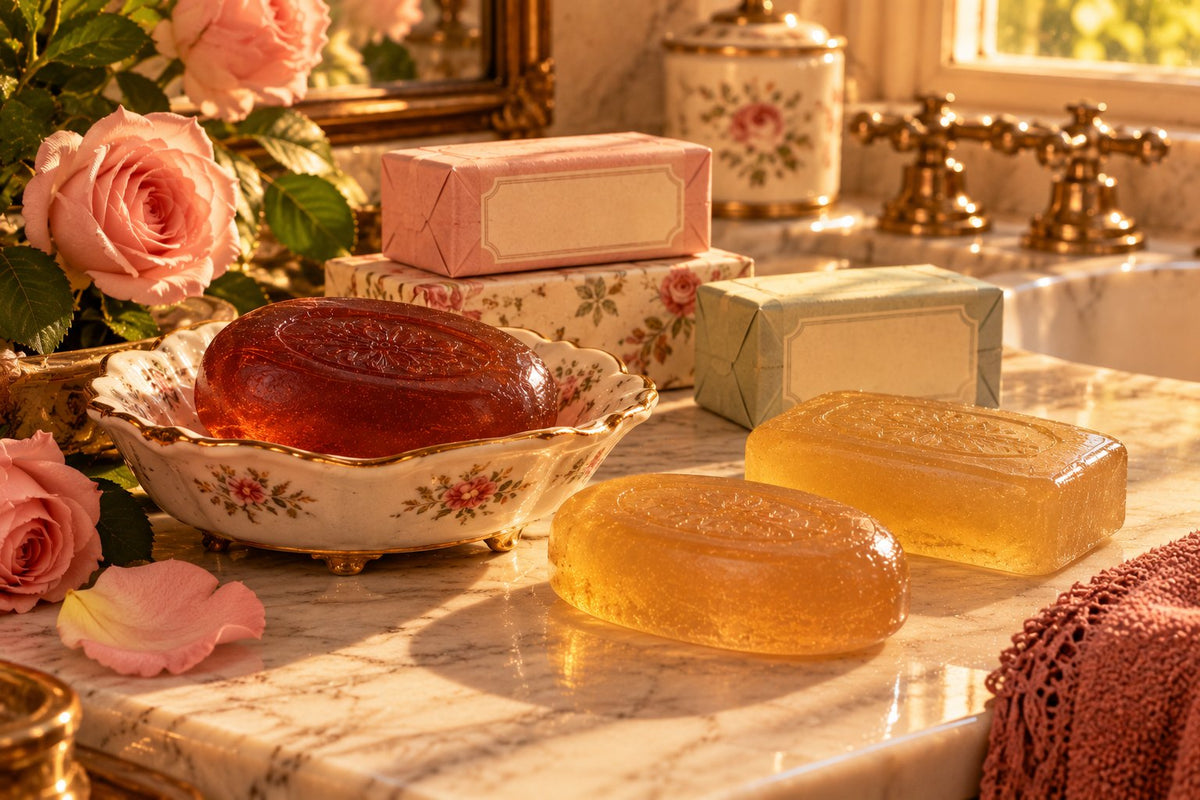
Granado's signature is the vegetable glycerine soap, which Brazilians have been buying since 1915: a clear, gentle bar, sold in a paper box that has barely changed in style. Many Brazilian homes also keep Granado's antiseptic powder, the polvilho, in the bathroom cabinet. Part of the charm is the packaging: vintage labels, pastel boxes and old-fashioned type that make a simple soap feel like a small present.
Phebo: a rose soap from the Amazon, since 1930
Phebo was born in 1930 in Belém, in the state of Pará, at the mouth of the Amazon. Its founders, three cousins of the Santiago family, Portuguese immigrants, named the house after Phoebus, the Greek god of the sun.
Their first soap was Odor de Rosas. It was inspired by the transparent English soaps of the time, but its original fragrance was built on pau-rosa, a native Amazonian rosewood. The dark, translucent bar became one of the most recognisable soaps in Brazil, and its scent is still the house's signature almost a century later. In 2004, Phebo became part of Granado, so the two old houses now live under one roof.
Why Brazilians still love them
The scent of home
For many Brazilians, Odor de Rosas or a Granado glycerine bar smells like childhood, like a grandmother's house or a holiday by the sea.
Gentle and simple
Vegetable glycerine soaps cleanse gently, which is why they've stayed in family bathrooms for generations, by the sink and in the shower.
Made to be given
Boxed soaps are a classic Brazilian present: for a host, a teacher, a new neighbour, or simply to scent a drawer.
How Brazilians use them
- In the shower: lather the bar on wet skin and rinse. Keep it on a soap dish that drains, so it lasts longer.
- At the sink: a liquid glycerine soap in the same scent as the bar, for the full ritual.
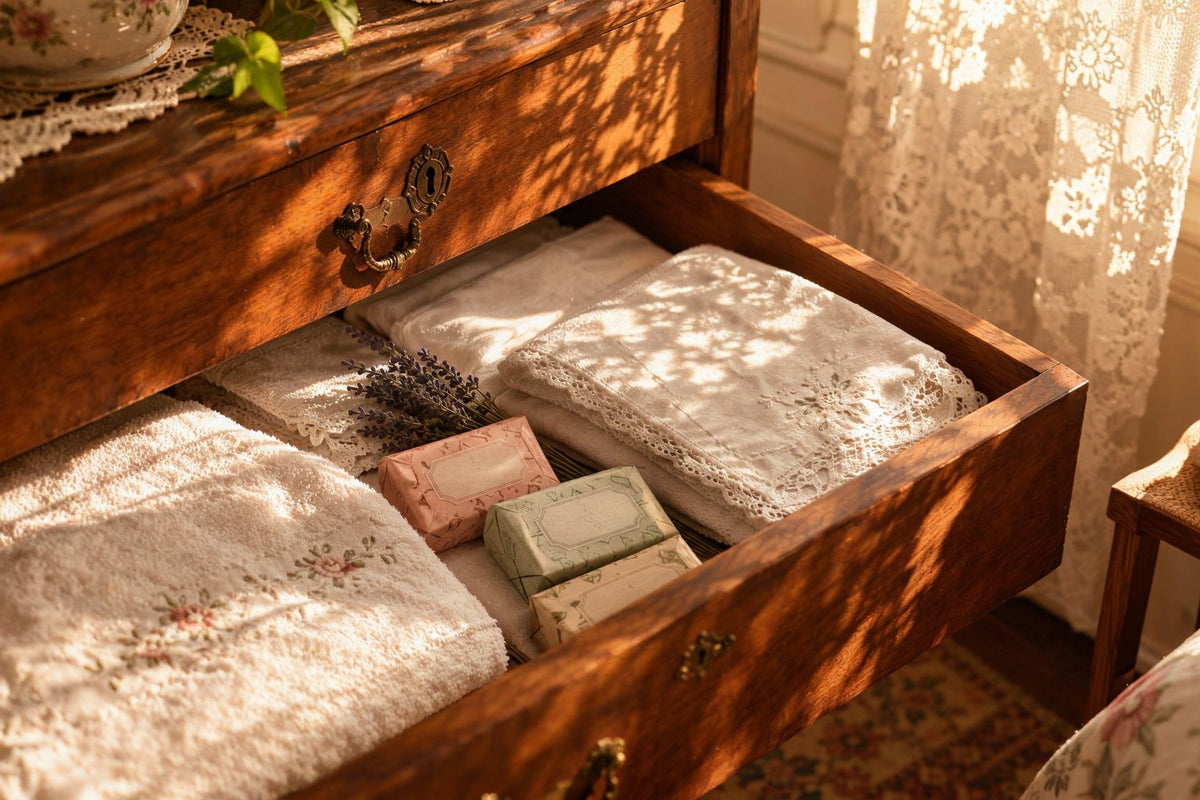
- In the drawer: an unopened boxed soap among towels or clothes, to keep them lightly scented.
- As a gift: a set of boxed bars, still in their vintage wrappers.
The classics in our shop
Make it a ritual
The Brazilian shower ritual
Soap, scrub, oil and cream: how Brazilians layer their shower, step by step.
Read the guide →Calor Brazil is an independent retailer, not affiliated with Granado or Phebo. Brand names belong to their respective owners. Always follow the instructions on each product.


